



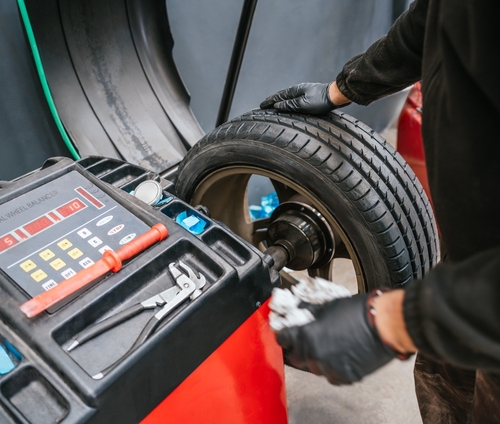
Understanding the Symptoms of Unbalanced Tires
Catching a wheel shimmy early is a lot cheaper than waiting for it to become a bigger repair.
If the drive home has started to feel bumpier than usual, don't just chalk it up to bad roads. Drivers stop by C. Harper Buick GMC in Connellsville all the time describing the same thing: a shimmy in the wheel that shows up out of nowhere.
So what's going on down at the tires? Nine times out of ten, it comes down to balance, and catching unbalanced tire symptoms is much cheaper than waiting for it to turn into a bigger repair.
- Vibration in the steering wheel, seat, or floorboard is usually the first sign something's off.
- Potholes, tread wear, temperature, and wheel damage are the main causes of imbalance.
- Shaking tends to get worse the faster you drive, especially above 45–50 mph.
- Waiting too long to get tires balanced can wear down suspension and steering parts.
- A quick balance appointment smooths out the ride and helps tires last longer.
What Causes Tires to Become Unbalanced?
Tire balance is about weight distribution, and there are a few everyday culprits that shift it. Here's a look at each one.
Road Hazards and Potholes
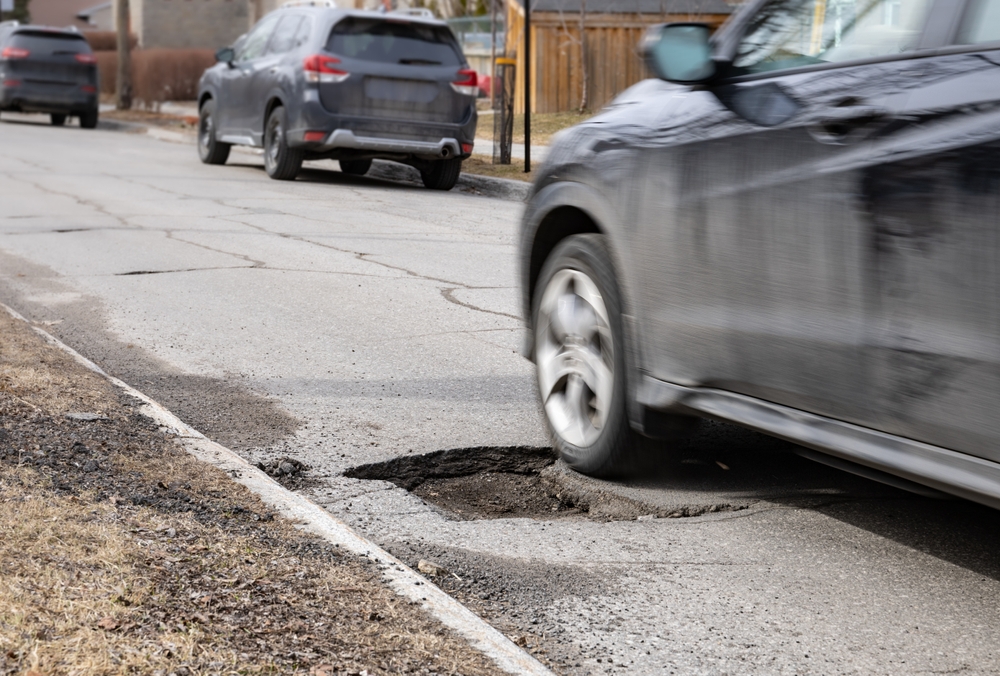
A hard hit against a pothole or a curb can knock a tire's weight distribution off in an instant. Route 119 has its share of rough patches, and one solid impact is sometimes all it takes to start a new vibration.
Uneven Tread Wear
Tread doesn't always wear evenly, especially if alignment or rotation schedules have slipped. As one section wears faster than the rest, weight shifts around the tire's circumference, and imbalance follows.
Temperature Changes
Cold Laurel Highlands mornings can lower tire pressure enough to change a tire's shape slightly, enough to throw off a balance that was fine the week before.
Wheel or Rim Damage
A bent rim from a hard curb strike rarely spins true again. Even a well-balanced tire mounted on a damaged wheel will vibrate, since the wheel itself is no longer perfectly round.
What Are the Warning Signs of Unbalanced Tires?
Know the SignsThe most common unbalanced tire symptoms are vibration and noise, a wheel that shakes in your hands, a seat that buzzes underneath you, or a hum that rises and falls with speed. Uneven tread wear across the tire face is another giveaway, even if you can't feel anything behind the wheel yet.
These symptoms build gradually, so it's easy to write them off as "just how the car drives now." But even a small weight imbalance changes how a tire meets the road with every rotation, and that's what eventually turns into the wobble drivers notice.
- Steering wheel vibration that intensifies with speed
- A rhythmic thump or hum through the floor or seat
- Patchy or scalloped tread wear on one or more tires
- A car that feels less stable on curves or during lane changes
Can Unbalanced Tires Cause Shaking?
Yes, "Can unbalanced tires cause shaking?" is one of the most common questions at our service counter, and shaking is usually the very first sign of the problem. An unbalanced tire has a heavier spot somewhere along its circumference, and every time that spot swings, it creates a small pulse of force. At low speeds, that pulse is barely noticeable. At highway speeds, it happens dozens of times a second and turns into a shake felt in the wheel, the pedals, or the whole cabin.
How Long Can You Drive on Unbalanced Tires?
There's no fixed mileage limit, but the honest answer to "How long can you drive on unbalanced tires?" is: not as long as most drivers assume. It's technically possible to keep driving for a while, but every mile adds wear to parts that were never designed to absorb constant vibration.
That extra strain doesn't stay isolated to the tires. Struts, wheel bearings, and steering components all take on the shake, accelerating wear that would otherwise happen much more slowly. What starts as a minor annoyance can turn into a suspension repair that costs far more than a balance ever would. If the vibration has been noticeable for more than a week or two, it's worth having a technician take a look.
The Benefits of Keeping Tires Balanced
Why It's Worth It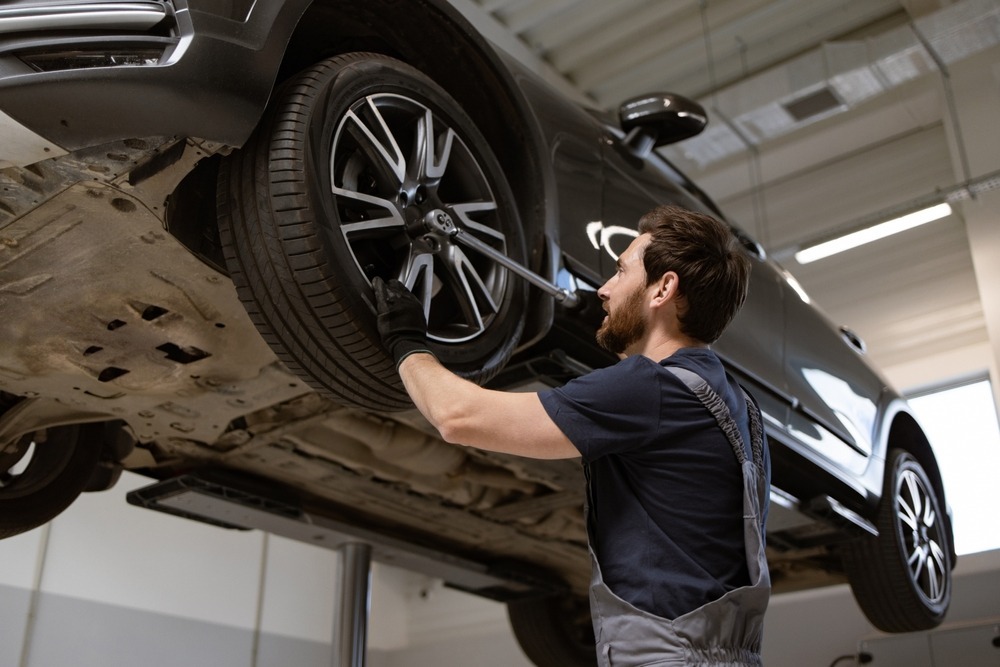
A proper balance pays off right away and down the road. The ride smooths out immediately, less noise, less vibration, more control on curves and lane changes. Tread wears more evenly too, stretching the life of a tire set that would otherwise need replacing sooner.
Suspension and steering components last longer without the constant low-level shake wearing them down, and a smoother-rolling tire can even ease the load on fuel economy.
Understanding Tire Balance Keeps Connellsville Drivers Safer
A shaking wheel or a faint hum isn't something to just live with, it's the car's way of flagging a problem while it's still small and inexpensive to fix. Tire imbalance is common, easy to diagnose, and even easier to correct. C. Harper Buick GMC in Connellsville has technicians who check this every day, so there's no reason to keep guessing at what that vibration means.
If any of these signs sound familiar, scheduling a quick tire check at C. Harper Buick GMC is an easy next step. A balance appointment usually takes less time than a lunch break, and it's a lot cheaper than replacing suspension parts down the line.
FAQ
What does an unbalanced tire feel like?
Most drivers describe a vibration in the steering wheel, seat, or floorboard that gets stronger as speed increases, often starting around 45–50 mph.
How often should tires be balanced?
Most vehicles do well with a balance every 5,000–7,500 miles, or anytime tires are rotated. Hitting a hard pothole is a good reason to get them checked sooner.
Is it safe to keep driving with a vibration?
It's not an emergency in most cases, but it's not something to ignore either. The vibration places extra stress on suspension and steering components, which only worsens over time.
Can bad wheel alignment cause the same symptoms as unbalanced tires?
Yes, and the two are often confused. Alignment issues tend to cause pulling to one side, while imbalance shows up mainly as vibration, a technician can tell the difference quickly.
Does tire balancing help with fuel economy?
It can. Vibration and uneven wear both make a tire work harder than it needs to, so a proper balance can support smoother, more efficient rolling.
Ready to Smooth Out the Ride?
Schedule a quick tire balance at C. Harper Buick GMC in Connellsville, it usually takes less time than a lunch break.
Schedule a Tire Check Contact Our Service Team