


What Is The Cause Of Engine Knocking?
Pinging, tapping, or a deep thud from under the hood? Learn what it means for your Buick or GMC and when to bring it in to our Connellsville service team.
Engine knocking is usually caused by fuel igniting too early or unevenly inside the cylinder, or by worn internal parts such as rod bearings. The most common triggers are fuel with a lower octane than your owner's manual recommends, carbon buildup, worn or incorrect spark plugs, a faulty knock or oxygen sensor, overheating, and low or degraded oil. Light pinging under acceleration should be inspected soon. A deep knock that speeds up with RPM means you should stop driving and call for service.
A sharp ping or deep knock from under the hood is hard to ignore. If you've been wondering, “What is engine knocking?” and whether it's serious, our team at C. Harper Buick GMC in Connellsville can help. Here's what causes that noise and when it's time to bring your Buick or GMC in.
Key Takeaways
- Engine knocking happens when fuel ignites at the wrong time, or worn internal parts make contact.
- Common causes include the wrong fuel octane, carbon buildup, worn spark plugs, overheating, and low oil.
- Light pinging under acceleration and a deep knock that rises with RPM are different problems with different urgency.
- A heavy knock, flashing check engine light, or oil pressure warning means stop driving and call for service.
What Is Engine Knocking?
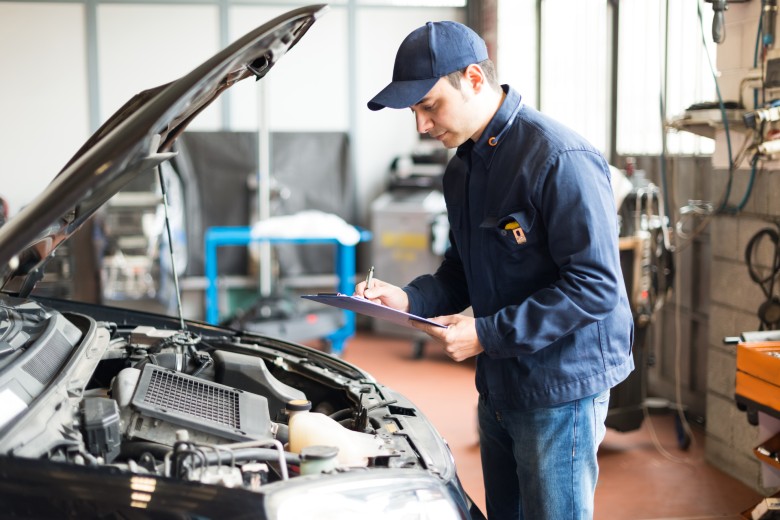
Engine knocking is a pinging, tapping, or knocking sound caused by combustion happening at the wrong time or by worn internal parts. Normally, the spark plug ignites the air-fuel mixture at a precise moment. When it ignites early or unevenly, pressure waves collide within the cylinder, producing a metallic sound.
Technicians usually separate knocking into two types. Detonation, often called pinging or spark knock, tends to show up when accelerating, climbing a hill, or hauling a load. Mechanical knock is a deeper thud from worn parts like rod bearings, and it gets louder and faster as engine speed rises.
Many current Buick and GMC engines, including turbocharged ones, use knock sensors that adjust ignition timing to protect the engine. That helps, but it can reduce power and fuel economy while the real problem goes unaddressed. Climbing the hills around Connellsville can make light knocking easier to hear.
Engine Noise Chart: Pinging vs. Rod Knock vs. Lifter Tick
This table breaks down common engine noises and how quickly each should be checked.
What Causes Engine Knocking?
There's no single answer to what causes engine knocking, but in most cases it traces back to fuel, ignition, heat, lubrication, or wear. Here are the most common engine knocking causes.
Fuel With the Wrong Octane Rating
Octane measures a fuel's resistance to igniting too early. Using a lower octane than your owner's manual calls for can cause pinging, especially in turbocharged engines. Check the manual for your specific model.
Carbon Buildup
Carbon deposits on pistons, valves, and in the combustion chamber create hot spots that can ignite fuel before the spark plug fires.
Worn or Incorrect Spark Plugs
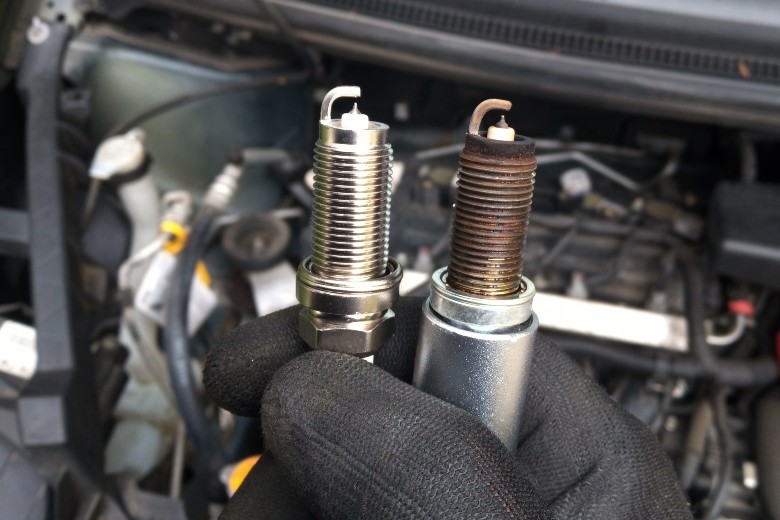
Worn, damaged, or incorrect spark plugs can cause misfires or poorly timed combustion. Replacing them on schedule helps prevent this.
Ignition Timing or Sensor Problems
A failed knock sensor, oxygen sensor, or related part can keep the engine computer from adjusting timing correctly.

Overheating
An engine running too hot is more prone to detonation. Low coolant, a failing thermostat, or a cooling fan problem can all raise temperatures.
Low Oil or Worn Internal Parts
Low or degraded oil reduces the protective film between moving parts. Over time, that can wear rod bearings and lead to a deep mechanical knock that's far more serious than pinging.
Why Is My Engine Knocking, and When Should I Get Service?
If you're asking “Why is my engine knocking?” a technician needs to hear it and run diagnostics to know for sure. Occasional pinging deserves an inspection soon, while a heavy, persistent knock needs immediate attention.
Schedule service right away if you notice:
- A deep knock that gets louder or faster as you accelerate
- A flashing check engine light or oil pressure warning
- Rising engine temperature, loss of power, or rough running
- Knocking that continues after switching to the recommended fuel
A technician can check diagnostic codes, inspect spark plugs, verify oil level and condition, and test sensors. Fuel system cleaners may help with minor deposits, but they won't fix mechanical wear.
Don't Ignore That Knock
Engine knocking is your vehicle's way of saying something isn't right, and acting early can keep a small issue from becoming a costly one. Our service team at C. Harper Buick GMC in Connellsville is ready to help you find the source.
If your Buick or GMC is pinging, tapping, or knocking, contact the C. Harper Buick GMC service department to schedule an inspection. Our technicians can diagnose the cause and recommend the right next step.
FAQ
Is it safe to drive with a knocking engine?
Light pinging isn't always an emergency, but a deep, loud knock, or one accompanied by warning lights, means it's best to stop driving and have it inspected.
Can premium fuel stop engine knocking?
It can help if the knocking is due to using a lower octane than recommended. It won't solve carbon buildup, sensor faults, or worn parts.
What does a knock sensor do?
It detects vibrations from abnormal combustion and signals the engine computer to adjust ignition timing. A failing knock sensor typically triggers the check engine light.
Can low oil cause engine knocking?
Yes. Low or old oil increases wear on internal parts, which can lead to knocking. Regular oil checks and scheduled oil changes help prevent it.
What is the difference between engine pinging and rod knock?
Pinging, also called detonation or spark knock, is a light, metallic rattle you'll usually hear when accelerating, climbing, or towing, and it should be inspected soon. Rod knock is a deep thud from worn rod bearings that speeds up as RPM rises. If you hear rod knock, stop driving and call for service.
Why does my engine knock when I drive up a hill?
Detonation tends to show up when the engine is working hardest, such as accelerating, climbing a hill, or hauling a load. Lower octane fuel, carbon buildup, and overheating can all make it more likely. Here in Connellsville, those hills can make light knocking easier to hear, so it's a good time to schedule an inspection.
Can carbon buildup make my engine knock?
Yes. Carbon deposits on the pistons, valves, and combustion chamber create hot spots that can ignite fuel before the spark plug fires. A fuel system cleaner may help with minor deposits, but it won't fix mechanical wear.
Can bad spark plugs cause engine knocking?
They can. Worn, damaged, or incorrect spark plugs can lead to misfires or poorly timed combustion. Replacing spark plugs on the schedule in your owner's manual helps prevent it.
Can an overheating engine start knocking?
Yes. An engine running too hot is more prone to detonation. Low coolant, a failing thermostat, or a cooling fan problem can all push temperatures up. If your temperature gauge is climbing along with the knock, schedule service right away.
Why would a knock sensor reduce my power and fuel economy?
When a knock sensor detects abnormal combustion, the engine computer adjusts ignition timing to protect the engine. That protection can cost you some power and fuel economy, and the underlying cause is still there until a technician finds and fixes it.
How does a technician diagnose engine knocking?
A technician listens to the noise, checks diagnostic codes, inspects the spark plugs, verifies oil level and condition, and tests sensors. That process separates fuel and ignition issues from mechanical wear so you get the right repair.
Where can I get engine knocking checked near Connellsville?
The service department at C. Harper Buick GMC in Connellsville diagnoses engine knocking on Buick and GMC vehicles. Contact our service team to schedule an inspection.