



Why Does My Car or Truck Smell Like Gas When I Start It?
Expert diagnostic insights from C. Harper Buick GMC in Connellsville
Quick Answer: A gas smell at startup can be a harmless cold-start fuel-priming quirk or indicate a dangerous fuel leak, loose gas cap, or EVAP system issue. If the smell lingers or is accompanied by rough starting, prompt professional inspection is strongly recommended for safety.
Key Takeaways
- A gas smell at startup can be a harmless cold-start habit or a sign of a real fuel-system leak, knowing which one matters.
- Common culprits include a loose gas cap, a flooded engine, a failing fuel injector, or a cracked fuel line.
- A car smells like gas, but it isn't leaking whenever the odor traces back to the EVAP system rather than a physical drip.
- Gasoline fumes are hazardous to breathe and dangerous near heat or an open flame, so lingering odors shouldn't be ignored.
- A quick diagnostic visit protects safety, protects the engine, and usually costs far less than waiting for the problem to grow.
Why Do I Smell Gas When I Start My Car?
Most of the time, a brief gas smell right at startup comes from normal fuel-system priming or a small amount of vapor escaping, nothing to panic about. But if it lingers, gets stronger, or shows up every single time, something mechanical is likely at play.
Cold mornings around Connellsville make this more noticeable. The fuel system has to work a little harder to prime itself when temperatures drop, and that can push a bit more vapor out before things settle. Older vehicles, high-mileage engines, and cars that mostly see short trips tend to run into it more often, since components like injectors, seals, and fuel lines wear gradually and short trips mean more frequent cold starts. If a driver keeps wondering Why do I smell gas when I start my car?
the pattern usually points to one of a handful of familiar issues rather than something mysterious.
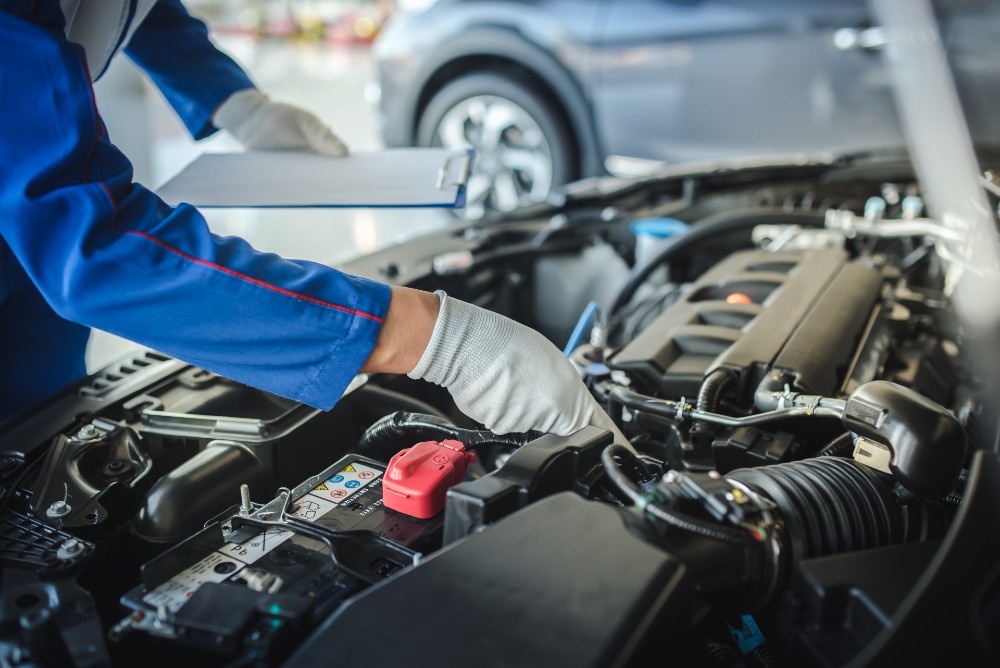
Common Reasons for a Startup Gas Smell
A flooded engine, especially after several short cranking attempts
A loose, cracked, or missing gas cap letting vapor escape
A leaking fuel injector or worn fuel pressure regulator
A cracked or loose fuel line under the hood
A vapor canister or EVAP system problem
Fuel residue on engine components from a recent overfill
My Car Smells Like Gas, But It Isn't Leaking: What's Going On?
A gas smell with no visible puddle underneath usually points to the EVAP (evaporative emission control) system rather than a physical fuel leak. That system is designed to trap fuel vapor and route it back into the engine instead of letting it escape into the air.
When a seal, hose, or valve in that system wears out, vapor sneaks past it, and the smell shows up without any fuel actually hitting the ground. It's easy to assume my car smells like gas because of a drip somewhere, but if a car smells like gas but it isn't leaking, the situation is common enough that technicians check the EVAP system early in a diagnostic visit. It often trips a check engine light too, which gives a technician a helpful starting point instead of chasing the smell blind. The good news: EVAP issues are rarely an emergency, but they're worth fixing since a persistent leak wastes fuel and can eventually affect emissions performance.
Gas Smell Risk Levels at a Glance
This table helps drivers gauge how urgent their situation is before calling the shop.
| Situation | Risk Level | What It Means |
|---|---|---|
| Faint smell only at cold startup, fades fast | Low | Likely normal fuel-system priming or minor vapor release |
| Smell persists after the engine warms up | Moderate | Suggests an active leak or EVAP system problem |
| Smell noticeable inside the cabin | High | Fumes reaching the cabin are a health concern, limit driving |
| Gas smell plus trouble starting | High | Points to a fuel delivery problem needing prompt attention |
| Visible fuel puddle under the vehicle | Critical | Active leak near hot components, don't drive, call for service |
Is It Safe to Keep Driving If My Car Smells Like Gas?
It depends on the source and the strength of the smell, but caution is always the smarter move. A faint EVAP odor that fades quickly is one thing; a strong smell that lingers or shows up alongside rough starting is another matter entirely.
Gasoline vapor is flammable, and it takes very little to ignite it near a hot engine component or a stray spark. Breathing it in isn't harmless either. Headaches, dizziness, and nausea are early signs of overexposure, and that's a real concern if fumes are making their way into the cabin, especially with the windows rolled up. Beyond safety, a leak or malfunctioning fuel system also means the engine isn't getting the fuel-air mixture it needs, which shows up as worse gas mileage and extra wear over time. A vehicle with a strong gas smell and trouble starting shouldn't be driven any farther than necessary. That combination is the fuel system's way of asking for a look under the hood sooner rather than later.

Don't Let Fumes Ruin Your Day!
A little gasoline smell at startup isn't always cause for alarm, but it's never something to just shrug off, either. Knowing the difference between a harmless cold-start habit and a fuel system that needs attention can save a Connellsville driver time, money, and unnecessary worry. Whether it's a loose gas cap or something further along in the fuel system, our team at C. Harper Buick GMC can track down exactly why a car smells like gas and get it sorted out with a straightforward, no-pressure diagnosis.
Noticing any of these signs? Scheduling a quick fuel system check at C. Harper Buick GMC in Connellsville is an easy next step. Our service team can run a diagnostic, pinpoint the source, and walk through the options, no guesswork required.
FAQ
A brief, faint smell right at startup can be normal, especially in cold weather. If it lingers past a minute or two, or shows up every time, it's worth having checked.
Yes, it's one of the most common and least expensive causes. A cap that isn't sealing lets fuel vapor escape and can even trigger a check engine light.
That combination often points to a flooded engine, a leaking injector, or a failing fuel pressure regulator. A fuel system pressure test usually finds the cause quickly.
Yes. Extended exposure can cause headaches, dizziness, and nausea. If fumes are reaching the cabin, it's best to limit driving until the vehicle is inspected.
It varies by cause: a new gas cap might run under $30, while a fuel line or injector repair can cost more. A diagnostic appointment clarifies the cost before any repair begins.
C. Harper Buick GMC
Address: 2401 Memorial Blvd, Connellsville, PA 15425
Service Hours:
- Monday - Friday: 8:00 AM – 5:00 PM
- Saturday & Sunday: Closed
Stop by or contact our service center today to get your vehicle thoroughly diagnosed and back on the road safely.